Pickleball this. Pickleball that. I feel like everywhere I go, someone is talking about pickleball. Friends are playing. Patients are playing. My neighbors are playing. It seems like everyone has picked up a paddle lately. I'll admit it—I had the wrong idea. I thought pickleball was just the sport people switched to when tennis became a little too hard on the joints. You know... slower, easier, less competitive, and lower impact.
Well... I was wrong. It's a blast. It's surprisingly fast-paced, incredibly competitive (even if no one wants to admit it), and a fantastic workout. If you haven't tried it yet, I highly recommend giving it a shot. Just... maybe don't dive into your first match without a little preparation (and padding). I'm kidding about the protective gear... mostly. As fun as pickleball is, it's also one of the fastest-growing sports in America, and with that has come a noticeable increase in injuries. The good news? Many of the most common ones are preventable.
Common Pickleball Injuries (and How to Prevent Them)
Shoulder Pain - Overhead serves, smashes, and repetitive swinging can irritate the rotator cuff and surrounding muscles.
Prevent it by:
- Warming up before you play.
- Strengthening your rotator cuff with resistance bands.
- Stretching your chest and upper back to maintain good shoulder mobility.
Tennis Elbow (Yes... From Pickleball!) - Repetitive gripping and backhand shots can lead to pain on the outside of the elbow.
Prevent it by:
- Relaxing your grip on the paddle.
- Strengthening your forearms.
- Stretching your wrists after playing.
- Using a paddle with the proper grip size.
Knee & Ankle Injuries - Quick starts, stops, lunges, and side-to-side movements can stress the knees and increase the risk of ankle sprains.
Prevent them by:
- Wearing court shoes designed for lateral movement.
- Strengthening your glutes and leg muscles.
- Improving your balance with single-leg exercises.
- Gradually increasing your playing time instead of trying to win a tournament your first weekend.
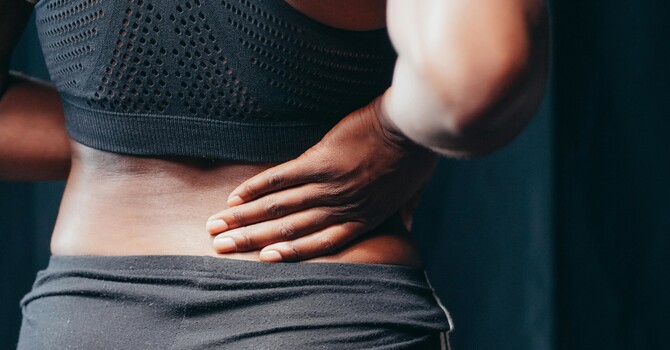
Low Back Pain - Bending, twisting, and reaching for those impossible shots can leave your back feeling less than enthusiastic the next day.
Prevent it by:
- Strengthening your core.
- Keeping your hips mobile.
- Stretching for a few minutes after every match.
The Five-Minute Warm-Up That Could Save Your Weekend - Most people jump onto the court and start playing immediately. Instead, spend just five minutes getting your body read, Your shoulders, knees, and back will all appreciate it.
- Brisk walk or light jog
- Arm circles
- Leg swings
- Bodyweight squats
- A few practice swings
When Should You Get It Checked? Some soreness after playing is completely normal. Pain that sticks around for several days, wakes you up at night, limits your movement, or keeps coming back deserves attention. At North Portland Wellness Center, I help patients recover from many of the injuries that come with staying active—including shoulder pain, tennis elbow, low back pain, and knee injuries. Treatment often includes chiropractic care, soft tissue therapy, joint mobilization, and rehabilitation exercises to help you recover and keep you on the court. So grab a paddle, have some fun, don't take the score too seriously... and if something starts hurting, don't ignore it. Because the only thing worse than losing at pickleball... ...is having to sit out the next game.
David Higginson, DC
Contact Me